Ouachita alumni serve as back-to-back editors-in-chief for Arkansas Law Review
An Interview with Kathryn Totty and Emilee Webb
 March 18, 2026
- James Taylor
March 18, 2026
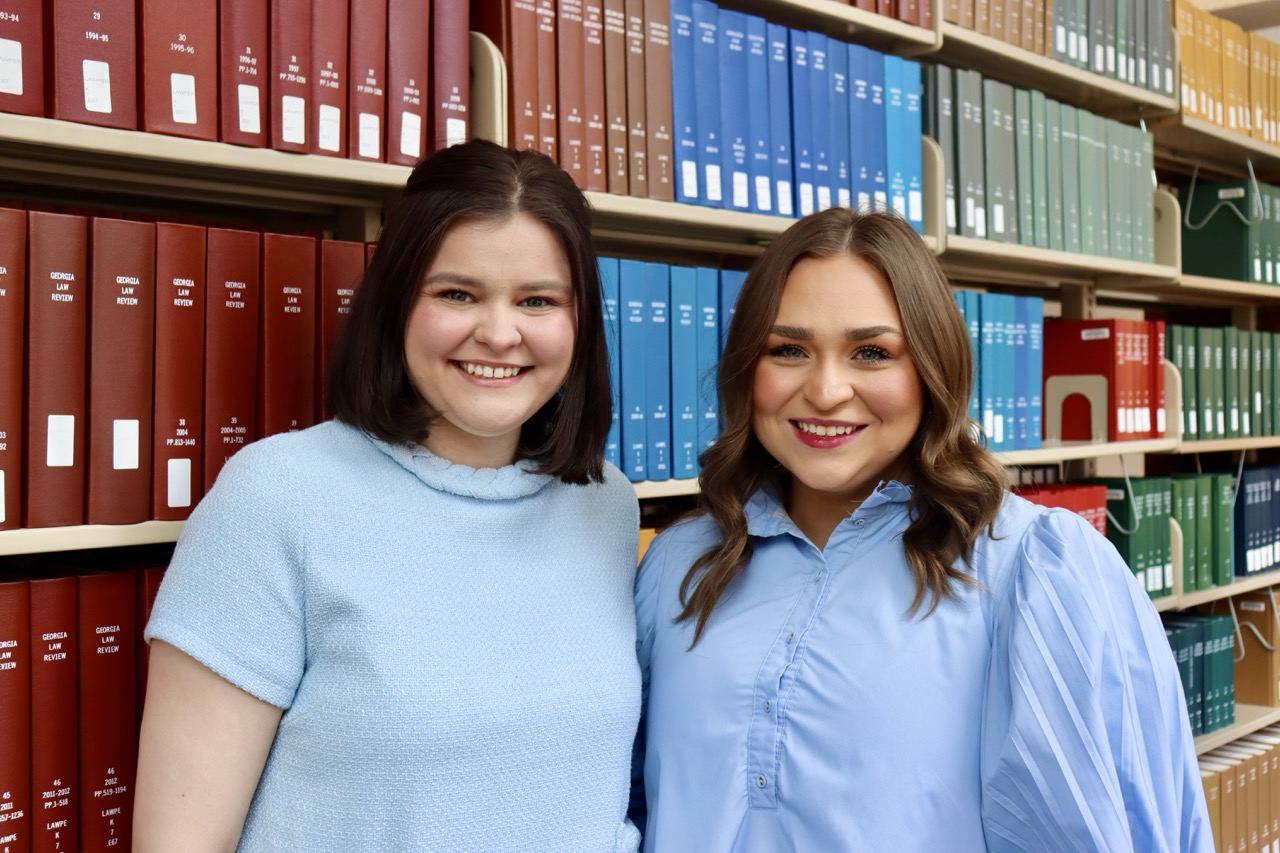
- James TaylorIt was a little harder than usual to make friends as freshmen in the fall of 2020. Most universities had shifted to online learning, and ones like Ouachita, who held in-person classes, labored through social distancing and masks. But that didn’t stop Kathryn Totty and Emilee Webb in their first college class together, Contemporary World, at 8 a.m. Totty and Webb connected right away. But neither of them knew that they would be linked by something else six years later: becoming back-to-back editors-in-chief of the Arkansas Law Review at the University of Arkansas School of Law.
Kathryn Totty, a 2023 Ouachita graduate who double-majored in communications & media and political science, serves as editor-in-chief for the 2025-26 academic year, and Emilee Webb, a 2024 graduate who double-majored in English and political science while minoring in Christian studies, was recently named her successor. The two sat down with us to talk about the leadership role and how Ouachita prepared them.
For someone unfamiliar with a law review, what does the editor-in-chief do?
Kathryn: Some days, it’s being the best firefighter you can be with whatever comes up. Other days, it is as simple as reaching out and speaking with our outside authors. Logistically, you are organizing who will be published, answering questions for outside authors, encouraging them through the publication process and working through 10 weeks of editing to reach a final, publishable piece.
You are also selecting student articles for the following year, organizing the different editors and the staff editors to verify, identify and edit every single piece of material that comes through our door. At the end of the day, you are the last person who will see an article before it’s printed. That is a lot of responsibility, but it is also something that I have found really meaningful.
What will the transition look like as Emilee takes over this year?
Emilee: Kathryn has been training me, which has been incredible. At the final stage of the process, we’re combing through the articles, looking at every citation, every footnote, every word, every piece of punctuation on the page. That is exactly what I did as editor-in-chief of the Ouachita Signal. On my first issue, I was in the newsroom until 3 a.m. editing. When you are the last person with eyes on something before it goes out into the world, it gives you that attention to detail in a real way — not just as a concept.
You two came to Ouachita together. How did you first connect?
Emilee: We met in Dr. Kevin Brennan’s Honors Contemporary World course. It was at 8 a.m., fall semester, freshman year. We have been friends since.
Kathryn: And we both did Model U.N. with Dr. Brennan as well. That class and program gave us skills in research, argumentation and the ability to walk into a room and represent a position credibly. Those things have really stayed with us and helped us in law school. It has been so nice to strengthen our friendship throughout this stage of life based on the relationship we started at Ouachita.
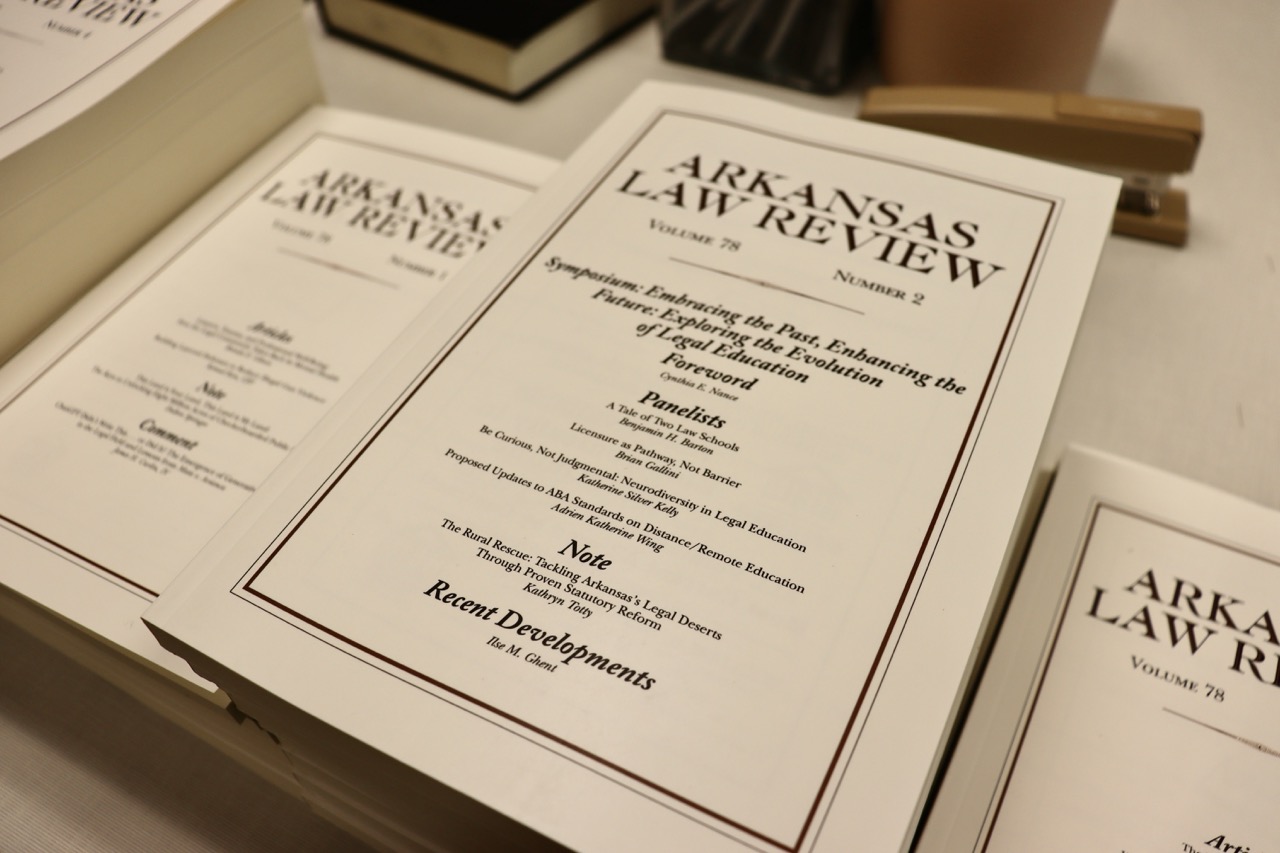
A recent edition of the Arkansas Law Review featuring a Note by Totty.
Both of you worked in student publications at Ouachita. How did that shape what you do now?
Kathryn: The Ouachitonian really prepared me in terms of being able to talk to anyone, being a point person and having those leadership skills. I did a lot of outreach in the community about advertisements. The EIC role is also a very outward-facing position. A lot of what matters as EIC is attention to detail — catching every little mistake before publication. My time with the Ouachitonian helped me develop some of those skills through interviewing, writing articles and working closely with a team.
Emilee: The overall editing process of the Signal is something that has shaped the way I approach projects and writing in law school and in my professional experiences as an editor, writer and reader. I was in charge of a staff, which is very similar to the position I am in now in that the EIC is the point person. If something goes wrong, it’s you getting called, and it’s you fixing it.
How did your academic programs and Ouachita experience shape you?
Emilee: I have to give a shout-out to the entire English department. Having your writing inspected and edited by experts prepares you. There have been several times I’ve mentioned that I was an English major, and the professor says something like, “You English majors are always the ones who know what you’re doing when you get here.” It’s the writing, and it’s having to read for knowledge, analysis and discussion. Technical and Professional Writing with Professor Jennifer Pittman was really helpful — that’s a required course in the legal studies minor, and it is genuinely excellent preparation. I cannot recommend English classes enough to anyone who wants to go to law school.
Kathryn: For me, Dr. Hal Bass’ political science classes come immediately to mind, and I think the one that prepared me most might be the American Presidency course. The way he gives exams is the most like anything I have had in law school. It is truly writing everything you know about something in a short amount of time. That is exactly how law school exams work.
Emilee: The mentorship I received from professors was such a huge deal. I was all over campus in my programs — English, political science, Christian studies — so I was in every building taking all kinds of classes. I got to know a lot of professors. That’s something unique to Ouachita, and something I’m incredibly thankful for. Dr. Bass invested in Kathryn and I. He encouraged me to go to law school and talked with me about my options. All my professors were amazing. They made me a better reader, writer and student, and they made sure I knew I could succeed.
Kathryn: I echo everything Emilee said. And the alumni connections have been huge. I’m going to clerk for a Ouachita alum next year. Ouachita connections have opened a lot of doors.
Something really special about our Ouachita background is that we are used to smaller classes. We are used to knowing everyone’s name, working closely with faculty, staff and our peers. That translates very well into law school. At Ouachita you also can plug into so many things, be a student leader in so many different respects. Having that background helped when I decided I wanted to be EIC. It was not something I ever felt like I could not do, and I think a lot of that is because I had those leadership opportunities at Ouachita.
Kathryn, you published your own article in the Law Review this year. Tell us about it!
Kathryn: I wrote about rural legal deserts in Arkansas and how we can combat them. Arkansas is my home — I am from Camden, I went to Ouachita and I know what it is like to grow up in a small town that has either not had a new attorney in a long time or has no attorneys at all. The piece analyzes different states that have implemented systems to incentivize rural practitioners and looks at everything Arkansas has done on the issue. I then propose what I would like the legislature to one day enact as a solution. The article is dedicated to the rural attorneys practicing across our state, including the Shepherds in El Dorado, who are Ouachita alumni.
Emilee, what are your goals for next year?
Emilee: I want to continue the productive and collaborative learning and working environment that is approachable for everyone on the staff. And I want to make sure that we are publishing and hearing from a wide variety of voices. That’s really important to me and to academia. That was something I told myself when I sat down to work on the Signal, too: everyone has a story, and everyone’s story deserves to be told. I want to carry that into article selection next year.
As we concluded our interview, both women noted that Ouachita has earned a solid reputation at the law school through the students who have attended. That reputation, they both agree, was built through one class, one invested professor and one student publication at a time. The writing classes, the student organizations, the faculty who know your name and follow your career — all of it matters more than you may even realize on a Monday at 8 a.m. in Contemporary World.
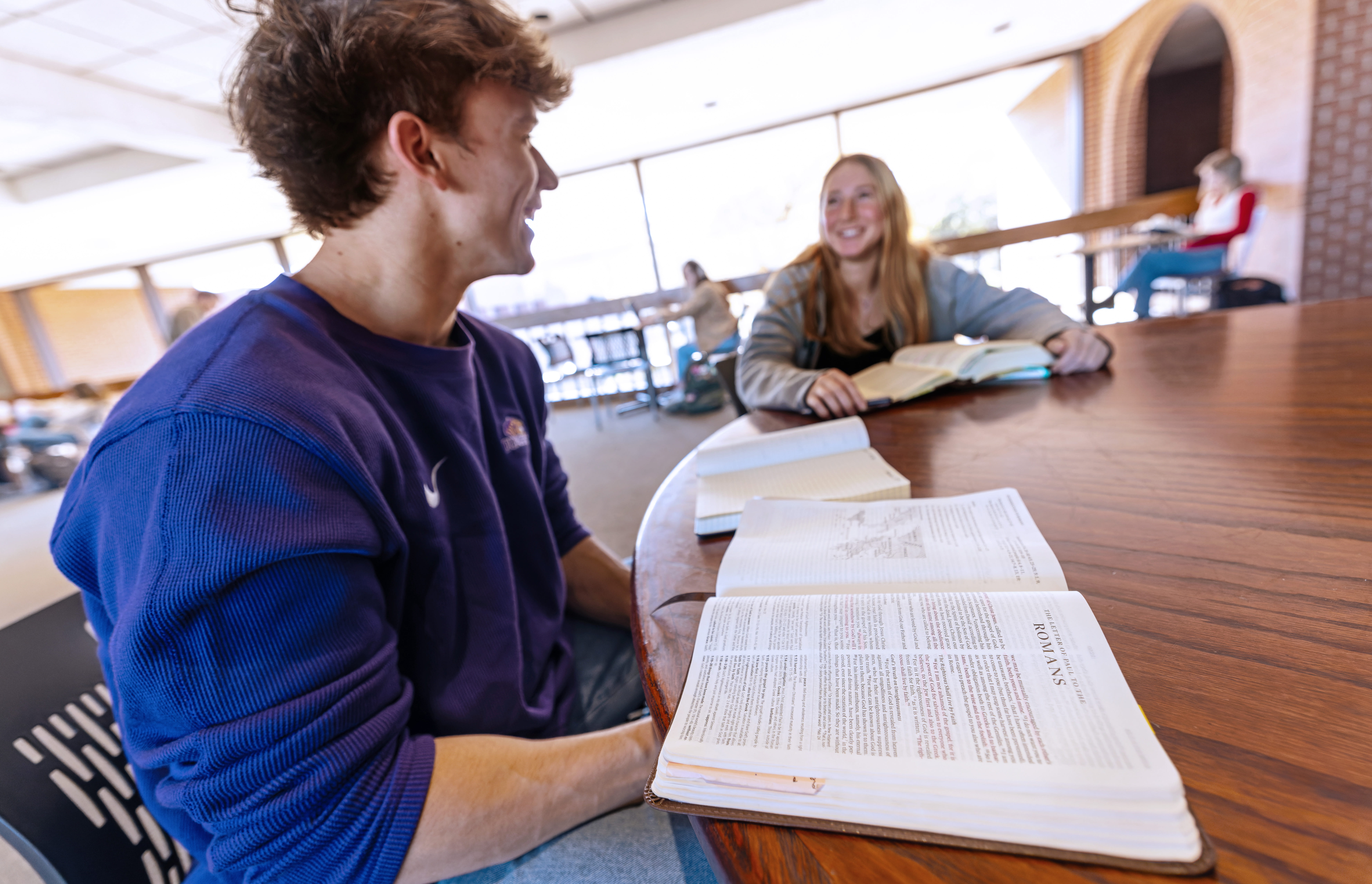
Lead photo by Anna Roussel
You Also Might Like


Recent