Learning to Love
Dr. Lewis Shepherd on Martin Luther King Jr. Day
 January 18, 2026
- Chase Hartsell
January 18, 2026
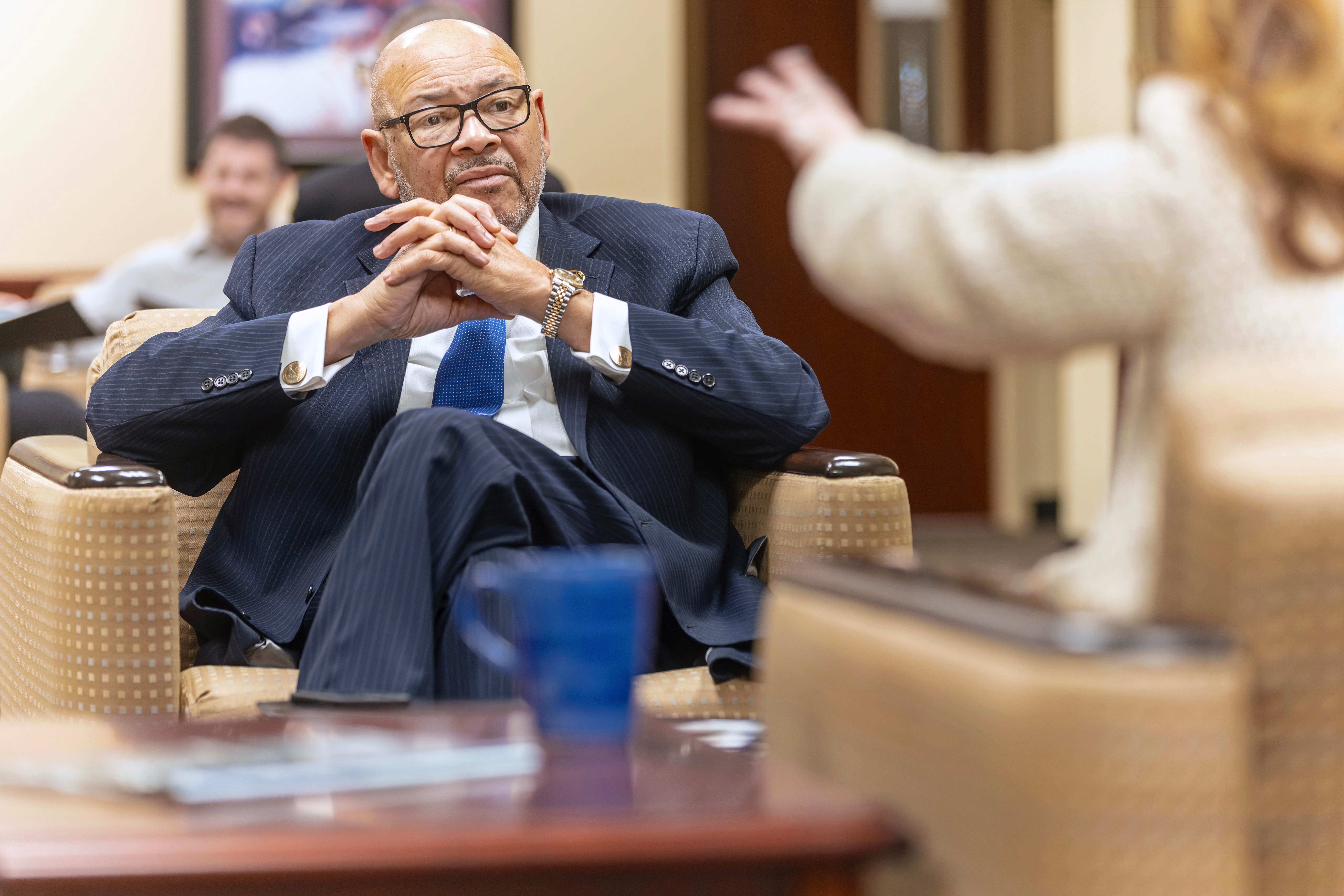
- Chase HartsellRecently, I sat down with Dr. Lewis Shepherd Jr., Ouachita’s vice president for community and intercultural engagement, to discuss his Ouachita experience and reflect on Martin Luther King Jr. Day.
Dr. Shepherd holds both Bachelor of Arts (1980) and Master of Science in Education (1982) degrees from Ouachita as well as a Doctorate of Education from the University of Arkansas at Little Rock (1997). From the time he arrived on campus until 2009, he served Ouachita in a variety of roles, ranging from student resident assistant to assistant to the president for special programs.
After working at another institution of higher education, Shepherd returned to the university in 2020 and became the first Black vice president in Ouachita history in 2021. He currently provides leadership for areas such as Campus Ministries, the Elrod Center for Family & Community, the Grant Center for International Education, Multicultural Student Programs and TRIO.
Shepherd is also the 16th pastor of Arkadelphia’s Greater Pleasant Hill Baptist Church. He has held that position for more than 25 years.
Q: Martin Luther King Jr.’s name and message remain prominent in Arkadelphia. What is his legacy in our local community, and what do you think it is that keeps his story so powerful and relevant today?
A: One of my favorite quotes of Martin Luther King is when he said, “Darkness cannot drive out darkness. Only light can do that. Hatred cannot drive out hatred. Only love can do that.”
I think people identify with the theme of love and caring for one another. As I think of his quote, I’m also reminded of the words of Jesus when He said, “People will know that you’re my disciples if you have love for one another” (John 13:35). That’s a theme that rests with all societies.
Q: How have you seen people in Arkadelphia and here at Ouachita reflect King’s work?
A: This is a unique community. I’ve worked here for a while and have been active in a lot of organizations. I just see people over and over again reach out to do things to better our community and to better individuals. They are givers. I know there are people who give beyond their means and ability. But they do so, and in return, they are blessed. It would be virtually impossible to name all of them.
Q: You talked about giving. You’ve given a lot of yourself as a leader in multiple areas here at the university and beyond. How have your experiences impacted your approach to leadership?
A: As a boy growing up outside of Magnolia, in a rural part of Columbia County, my parents taught my siblings and I to treat others as we’d have them treat us. They lived by that rule. They lived by what Jesus said: “Whatever you do to the least of these, you also do unto me” (Matthew 25:40).
I remember seeing homeless people come through the community. My mother would prepare food for them to eat and enough to take with them. When I was eight or nine, my paternal grandparents lived across the street. My grandfather went fishing and caught all sorts of bass, and we cleaned them. My grandmother cooked some and took it to a neighbor who was very ill, and it was a distance away. She and I walked together to do that. She took them a container for ice water because they didn’t have an adequate refrigerator in their home.
I was regularly exposed to these acts of kindness to strangers and people who lived right there in that community. We were brought up to work — not for our own benefit, but to help others.
Q: Last year, you wrote a blog for Martin Luther King Jr. Day, and you mentioned the adage “time brings about a change.” How have you seen change at Ouachita from your days as a student until now?
A: Ouachita has such a rich, vibrant history. The university integrated in 1962, when two African individuals — a husband and wife, the Makosholos — came to enroll in the university and stayed here two years. In the fall of ’64, there were two students from another university who transferred to Ouachita. They were Carolyn Green and Gloria Fallin, and they were joined by first-time college student Gustine Blevins. Green-Blevins Rotunda is named after Carolyn and Gustine. Those who came immediately after them, many of whom I know, say the integration was very difficult. Carolyn Green said that her experience was wonderful here. She lived in a residence hall and ate in the dining hall, which she could not do at her previous school. That was a part of her coming to Ouachita.
There were some students who came before me who really paved the way. The Ouachita of today is one that I can barely recognize from my days here as a student. I never experienced a Black professor here. When I got here, there were no Black administrators. That demographic has changed tremendously. The makeup of the student body, and just the way that students get along here on this campus is amazing.
I’ve noticed many non-minority students who come to Multicultural Student Program events, and I always get a great kick out of it. It does my heart good to see that people are looking beyond barriers and seeing people.
Q: Looking at MLK Day, what role does the Christian faith play in a day like this?
A: I think that believers pick up on many of the comments that Dr. King made. He mentioned he would like to live in a country where his children will not be judged by the color of their skin but by the content of their character.
One of the things we have to do for our communities is to build character. A key responsibility of believers is working with others to disciple them and build character, so that people will be able to trust and depend upon others. That character will keep them in a position to interact with others and reach those who are standing in need.
Q: What are some ways people can get involved and celebrate Martin Luther King Jr. Day in Arkadelphia or right here on our campus?
A: In addition to an open mic event that already took place on Ouachita’s campus this past Friday, there is a program honoring the life of Dr. King at 4 p.m. on Sunday at the St. Paul AME Church.
Monday will start out with an 8 a.m. breakfast sponsored by the NAACP at the Dawson Co-Op. Pastor Llewellyn Terry at Mt. Olive Baptist Church on North 16th Street is preparing a chili luncheon for 11:30 in honor of the sanitation workers in Clark County. At 2 p.m., they’ll leave from Mt. Olive to march down Caddo Street and end up at the courthouse gazebo. There, Pastor Zeke Allen of First United Methodist Church is going to speak. That will conclude the activities for the day. All the events are free and open to everyone.
Q: When all is said and done, what do you hope is the one thing people take away from MLK Day?
A: I hope that one thing is we learn that love trumps everything else. It’s the most important thing that we have. It eases pain. It eases tension. It takes care of all the demands in life. If we learn to love, it helps us as much as it does the object of our love. We’ll do what is right and Christ-like if we learn to love.
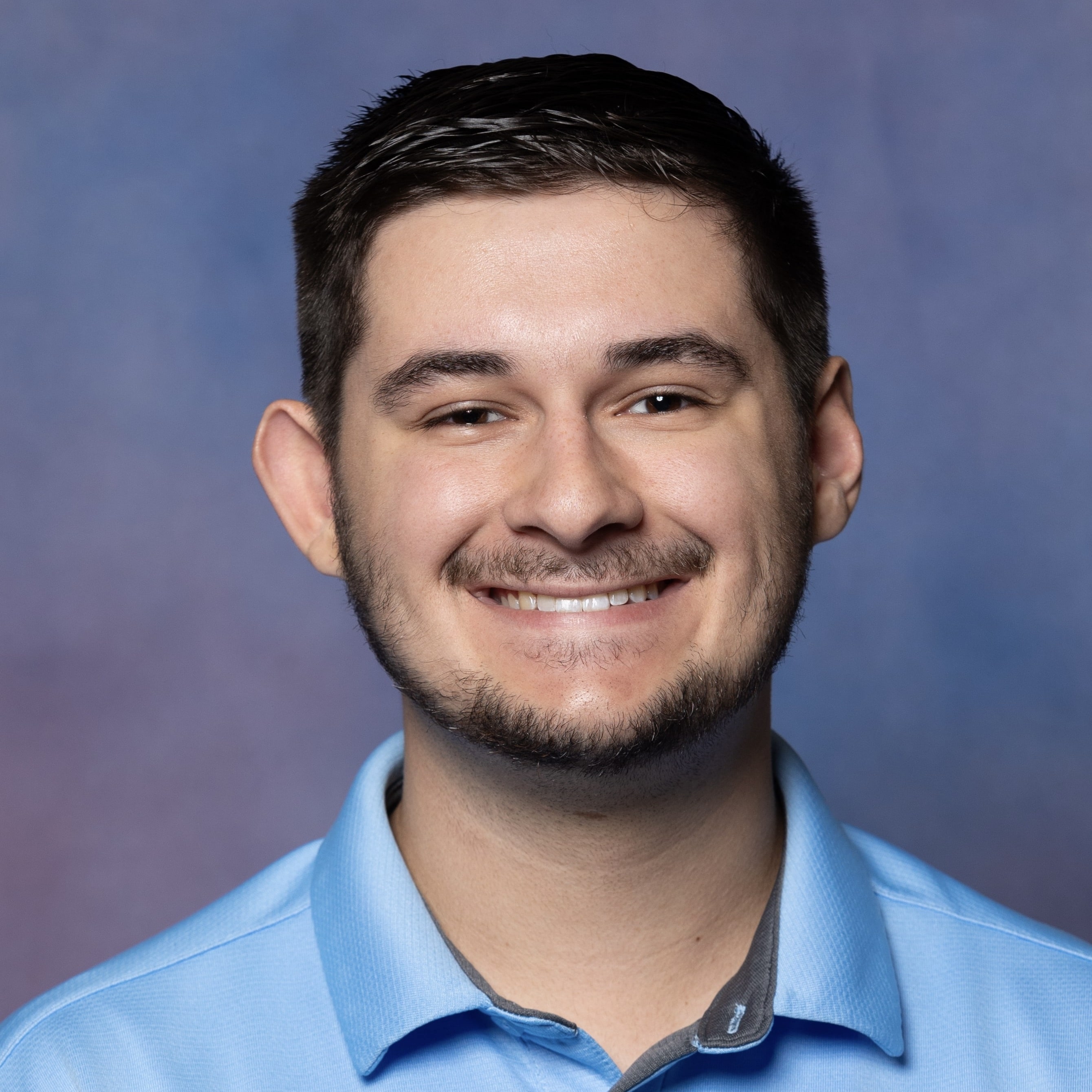
Chase Hartsell ’24 is a content specialist in Ouachita’s Office of Communications & Marketing.
You Also Might Like
Recent